Day 16
Wednesday, July 8, 2026
Cape Town in a day — Robben Island, Table Mountain, and the whole arc of a country
▶ Watch the videos from this day
| Morning | A ferry across Table Bay to Robben Island. |
|---|---|
| The prison, told by a man once held in it. | |
| Midday | Up Table Mountain, above the clouds. |
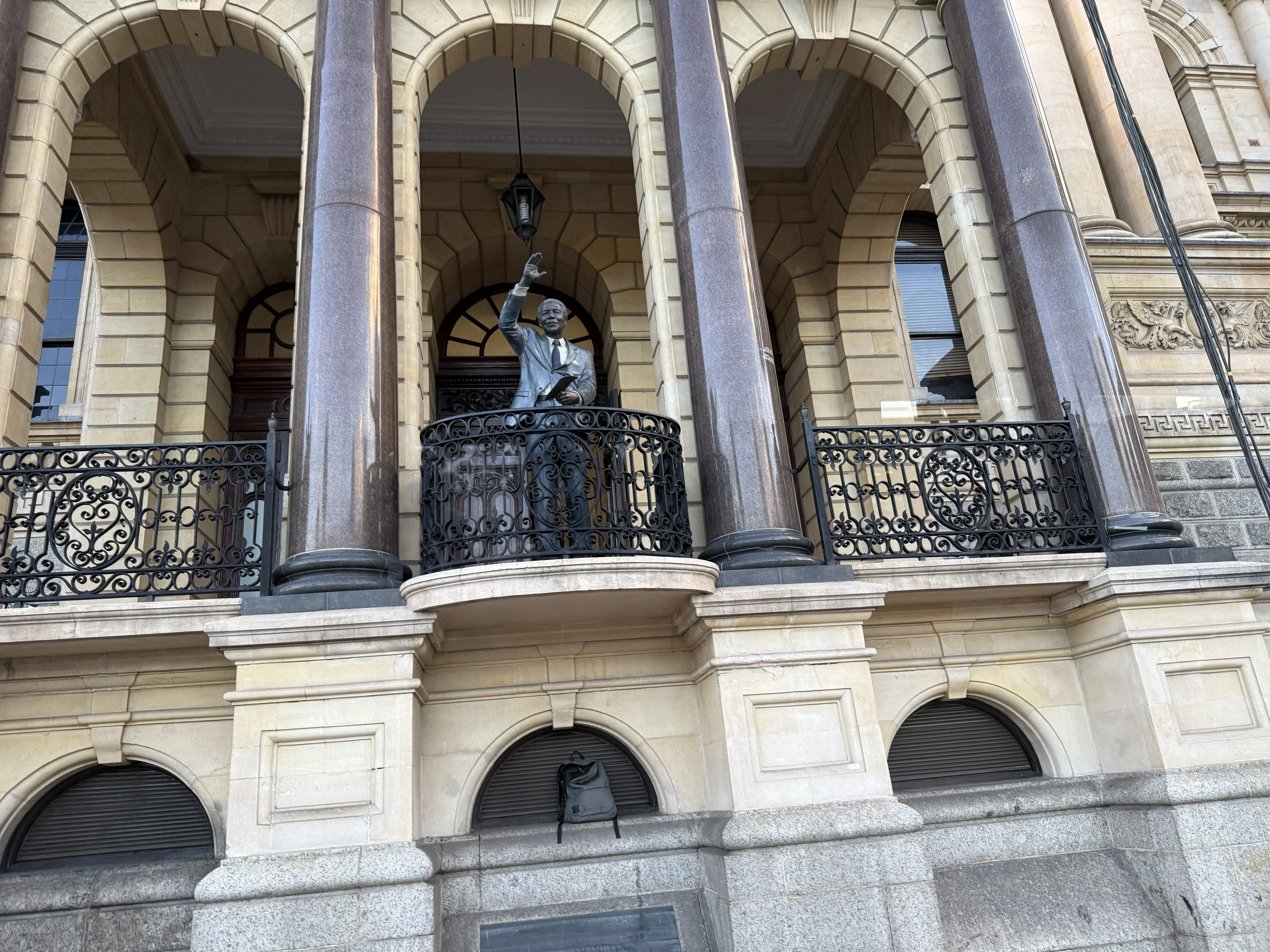
| Afternoon | Bo-Kaap's colors; Mandela's balcony. |
| Night | A porterhouse the size of the day. |
This was the day Dylan had promised — the one that would make the end of the trip interesting even with the game drives behind us. Robben Island was, strictly speaking, an optional excursion. Everyone went. And it turned out to be one of the most affecting days of the whole three weeks: a single city, in a single day, telling the entire story of a country. A few days ago I was watching a leopard at the water's edge. Today I stood in Nelson Mandela's cell.
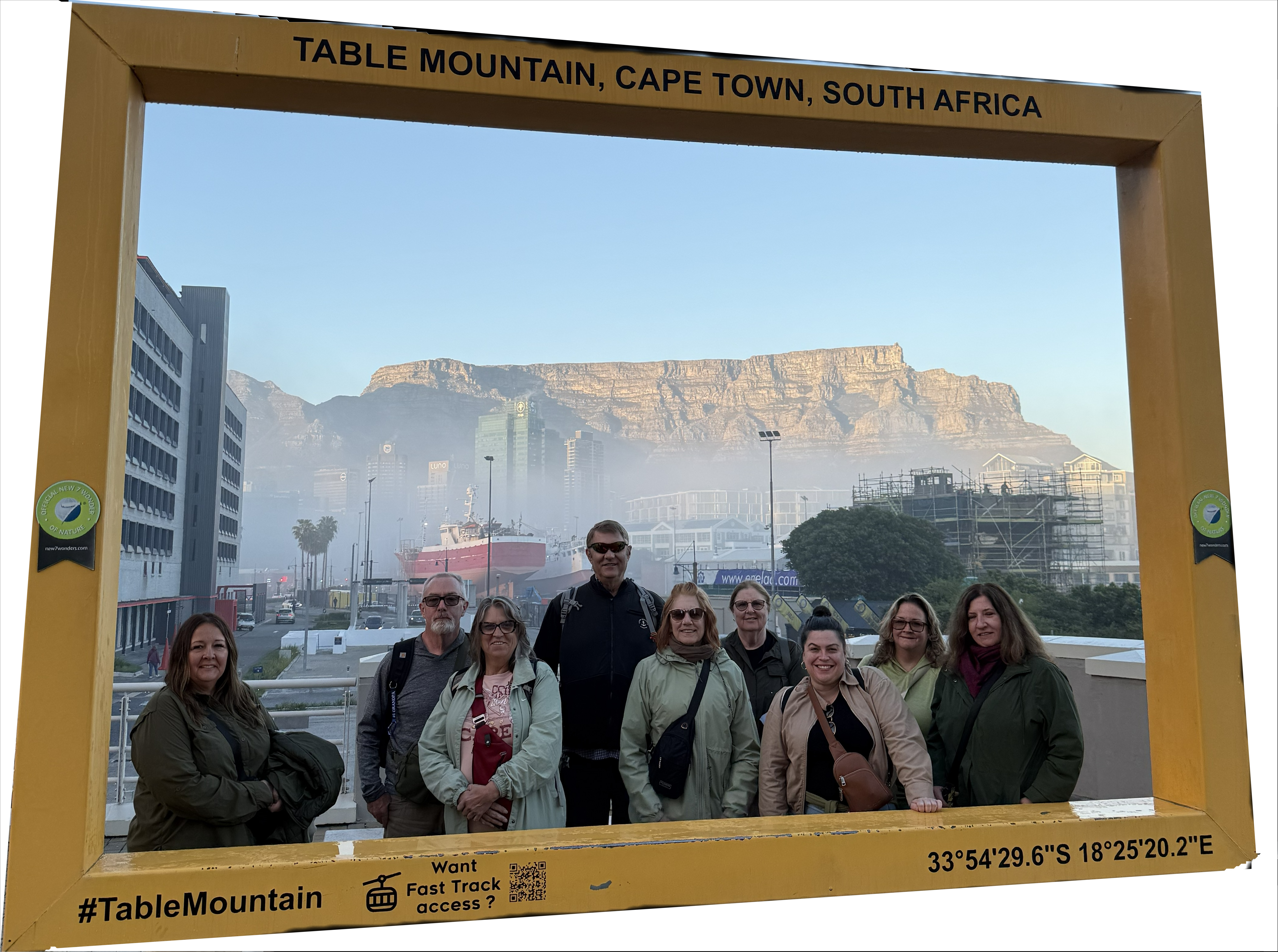
Across the Bay
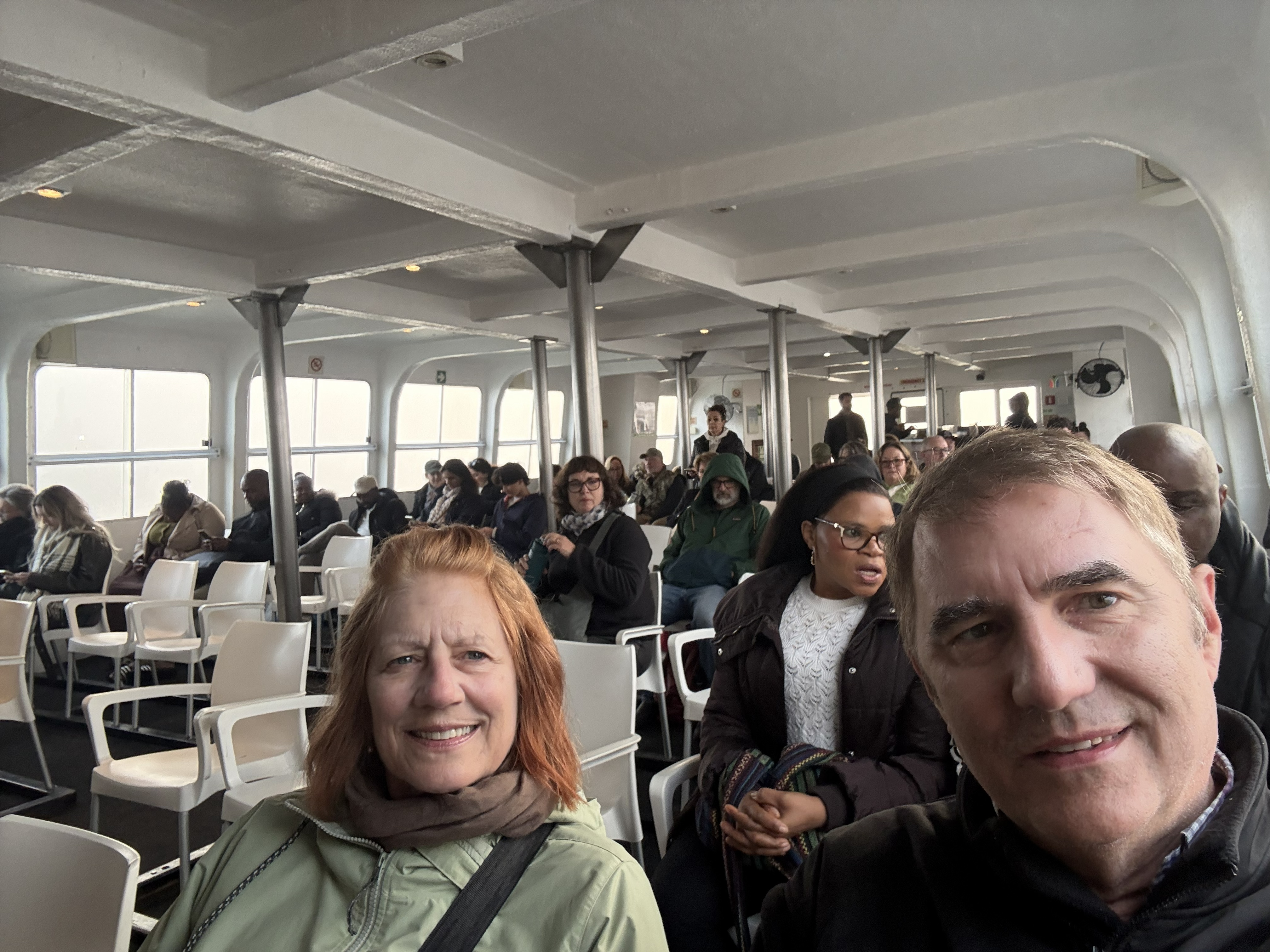
Robben Island sits a few miles off Cape Town, out in Table Bay, close enough to see the city — which was, for the men imprisoned there, precisely part of the punishment: freedom in plain sight, and unreachable. You reach it now the way visitors always have, by boat from the V&A Waterfront, across water that on our crossing was flat and bright and entirely at odds with the place it leads to.
Robert Sobukwe
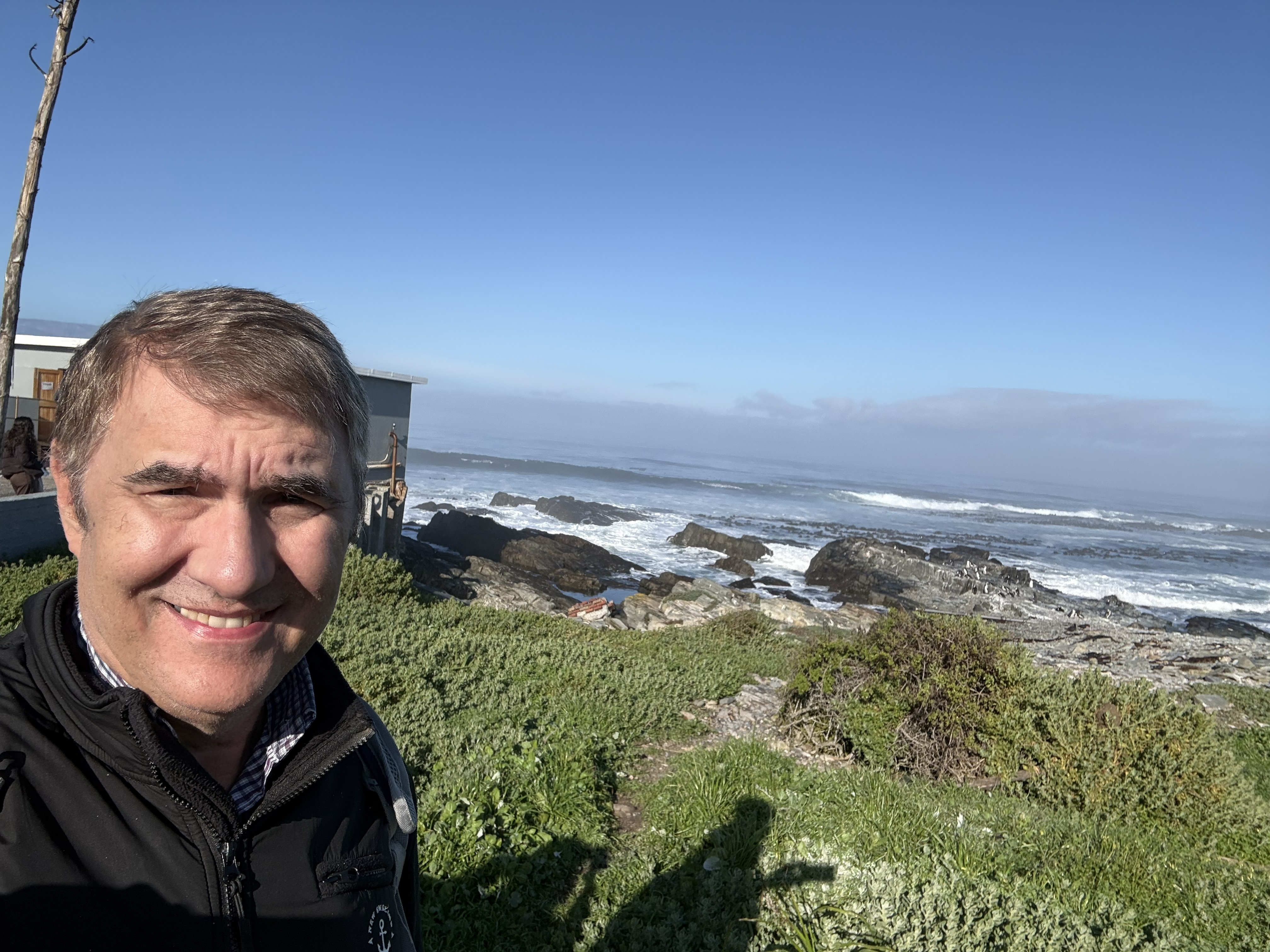
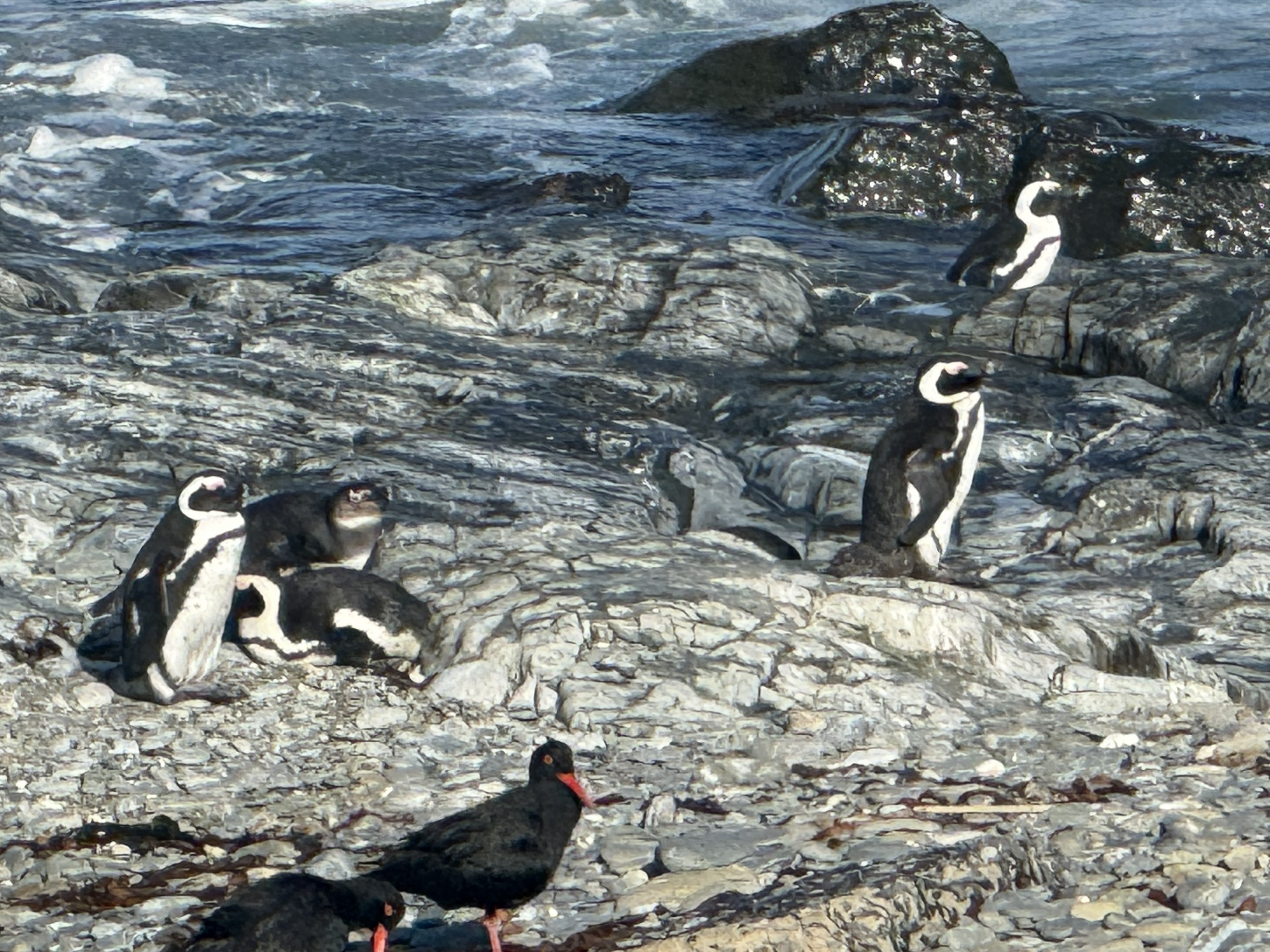
Once you are on the island you board a bus, and it was the driver — not the former prisoner who would guide us later — who made a point of the one prisoner most visitors arrive not knowing: Robert Sobukwe. He told us the story as he drove us out toward the cell blocks, and slowed at a small compound, set well apart from everything else, where Sobukwe had been kept.
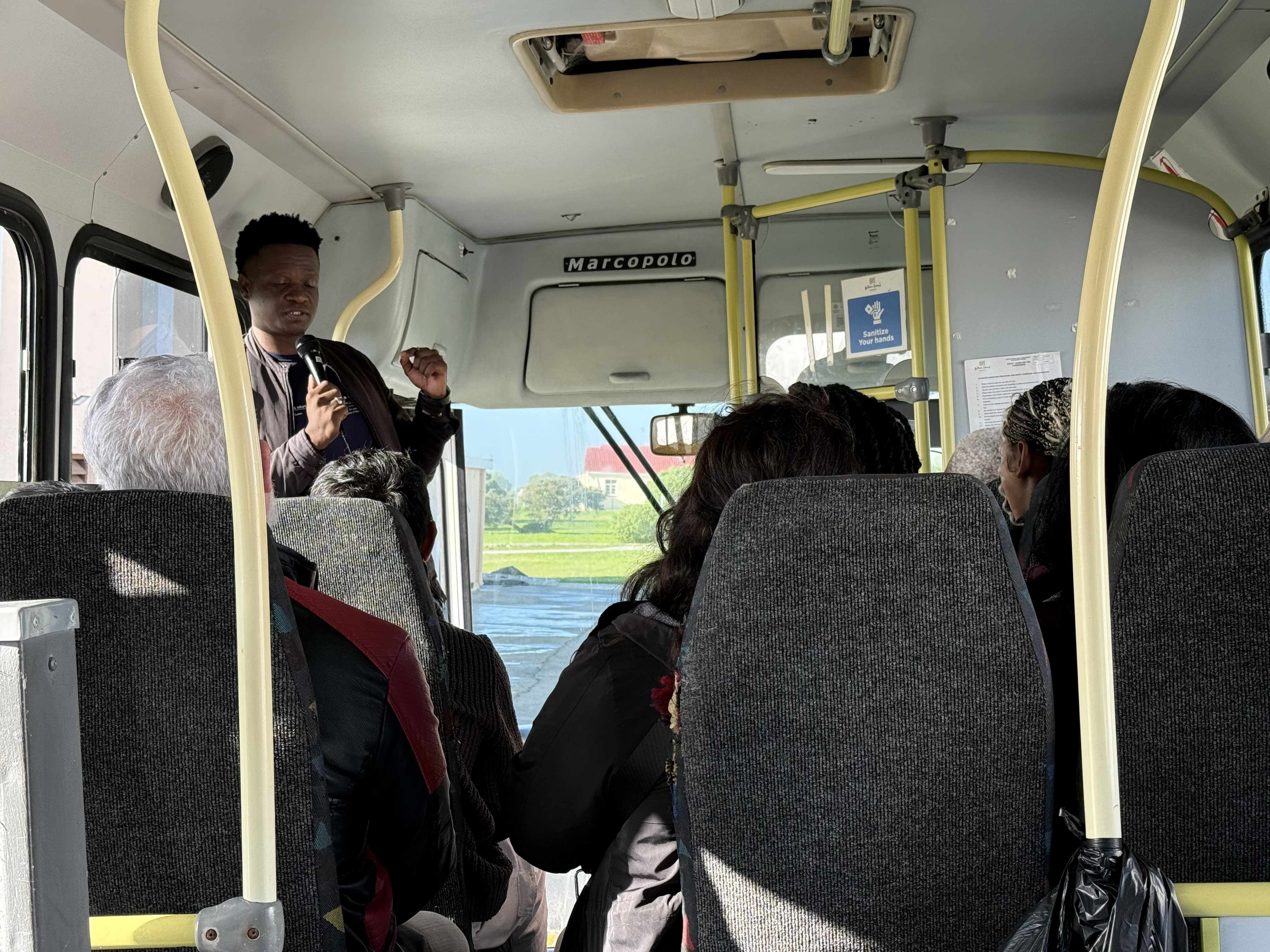
Sobukwe founded the Pan Africanist Congress in 1959, and in 1960 he led the nationwide protest against the pass laws that ended, at Sharpeville, in police gunfire and sixty-nine dead. He was sentenced to three years for incitement. And then, at the end of that sentence, the apartheid government did something it did for no one else: it passed a law — the “Sobukwe Clause” — allowing the Minister of Justice to keep him imprisoned, renewed year by year, indefinitely, without further trial. He was the only person ever held under it.
They kept him on Robben Island in near-total isolation — in a small compound apart from the other prisoners, under constant guard, forbidden ordinary contact — for six more years, because they judged his mind and his voice too dangerous to let him speak even to other prisoners. Where Mandela's imprisonment became world-famous, Sobukwe's isolation was designed to do the opposite: to make him vanish, quietly, from history.
It did not work, and the reason it did not work is that the people who bring you here have decided it will not. They say his name. They tell his story — our driver did, before we had even reached the cells. They take you to where he was kept and insist, decades later, that he be remembered. I will admit that this landed for me more than I expected — to be carried past the place where a state had tried so hard to erase a man named Robert, and to hear another man refuse, patiently and permanently, to let it.
The Prison
The tour of the prison is led, as these tours almost always are, by a former political prisoner — a man who was himself locked in these blocks. That single fact reorganises everything. You are not being shown a museum by a docent; you are being walked through a man's own past by the man who lived it, and when he stops at a cell or a stretch of yard and tells you what happened there, he is not reciting. He was there. Our guide had been one of them. He was arrested as a college student — 1975 or 1976, if I have his telling right — a young activist of the Black Consciousness Movement, whose student wing, SASO, the state was moving to crush. In June 1976, in Soweto, thousands of schoolchildren had marched against a decree forcing them to be taught in Afrikaans, the language of the very government they were protesting. The police answered with live ammunition; the dead ran into the hundreds, many of them children. The uprising spread — reaching Cape Town by that August — and the crackdown that followed detained hundreds and drove a whole generation of young activists into prison or exile, sending a great many of them here, to serve their years within sight of the city that had disowned them. The man walking us down the corridor had been one of those students. He did his time in these blocks as a young man, and he has come back, year after year, to make sure the rest of us understand exactly what they were. He did not reach for careful language. He called the place a hell hole, and he had earned the right to.
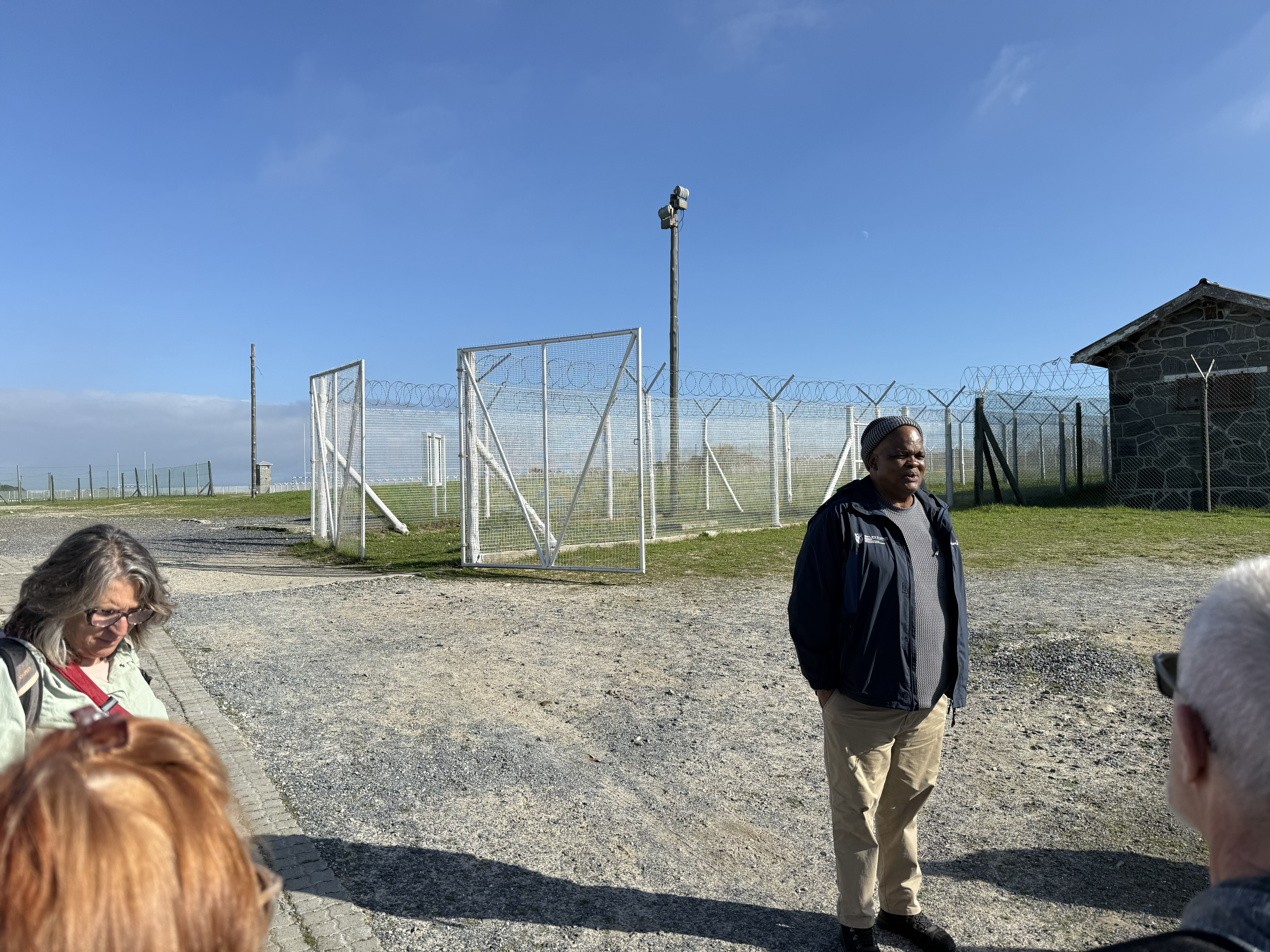
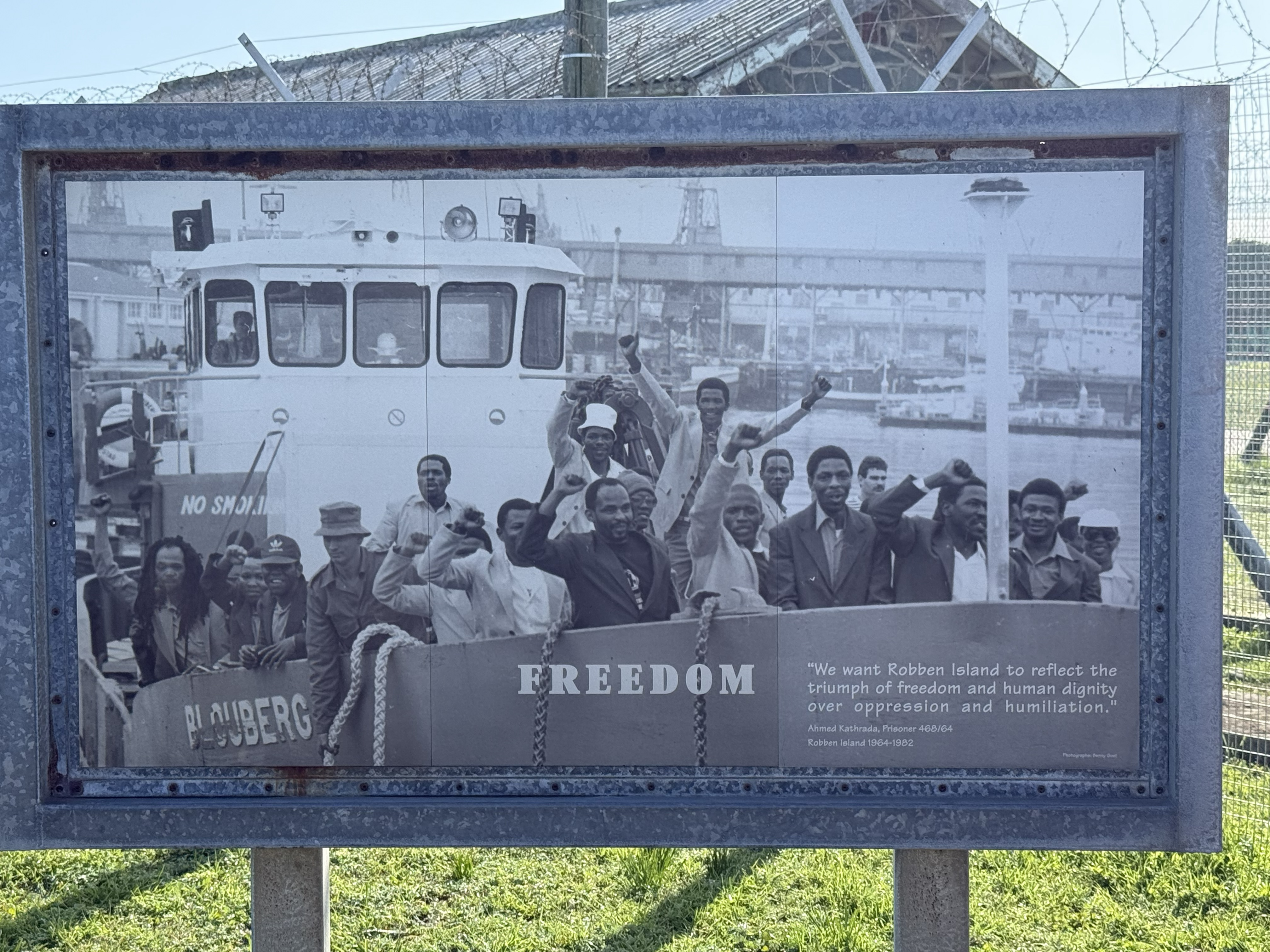
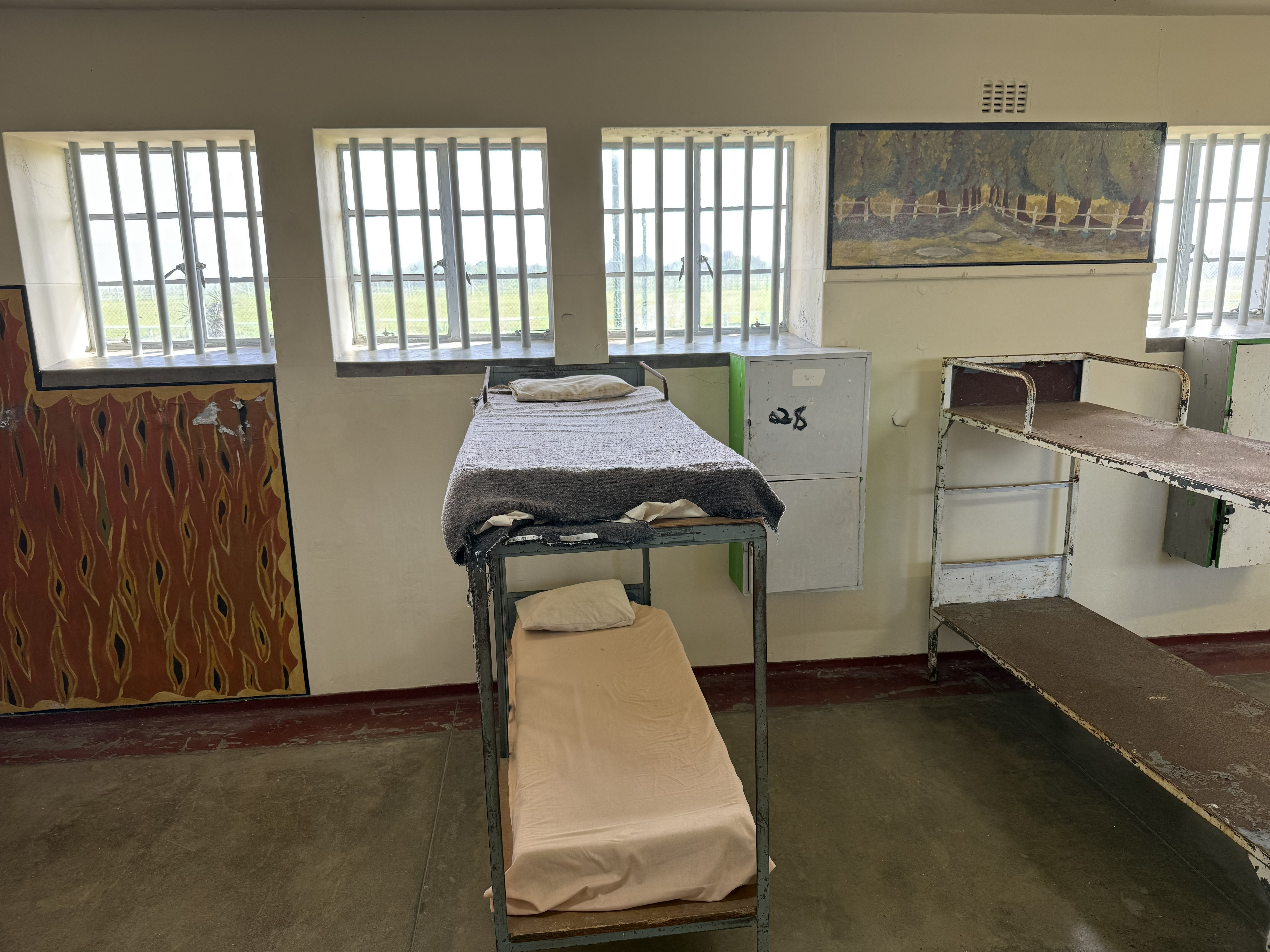
He told us about the newer maximum-security block, too — the one built to be escape-proof. No one ever got out of it, he said, and then added the detail that makes it land: the prisoners had been made to build it themselves. They raised, stone by stone, the walls that would hold them — forced to engineer their own confinement so well that in all its years the place never lost a man.
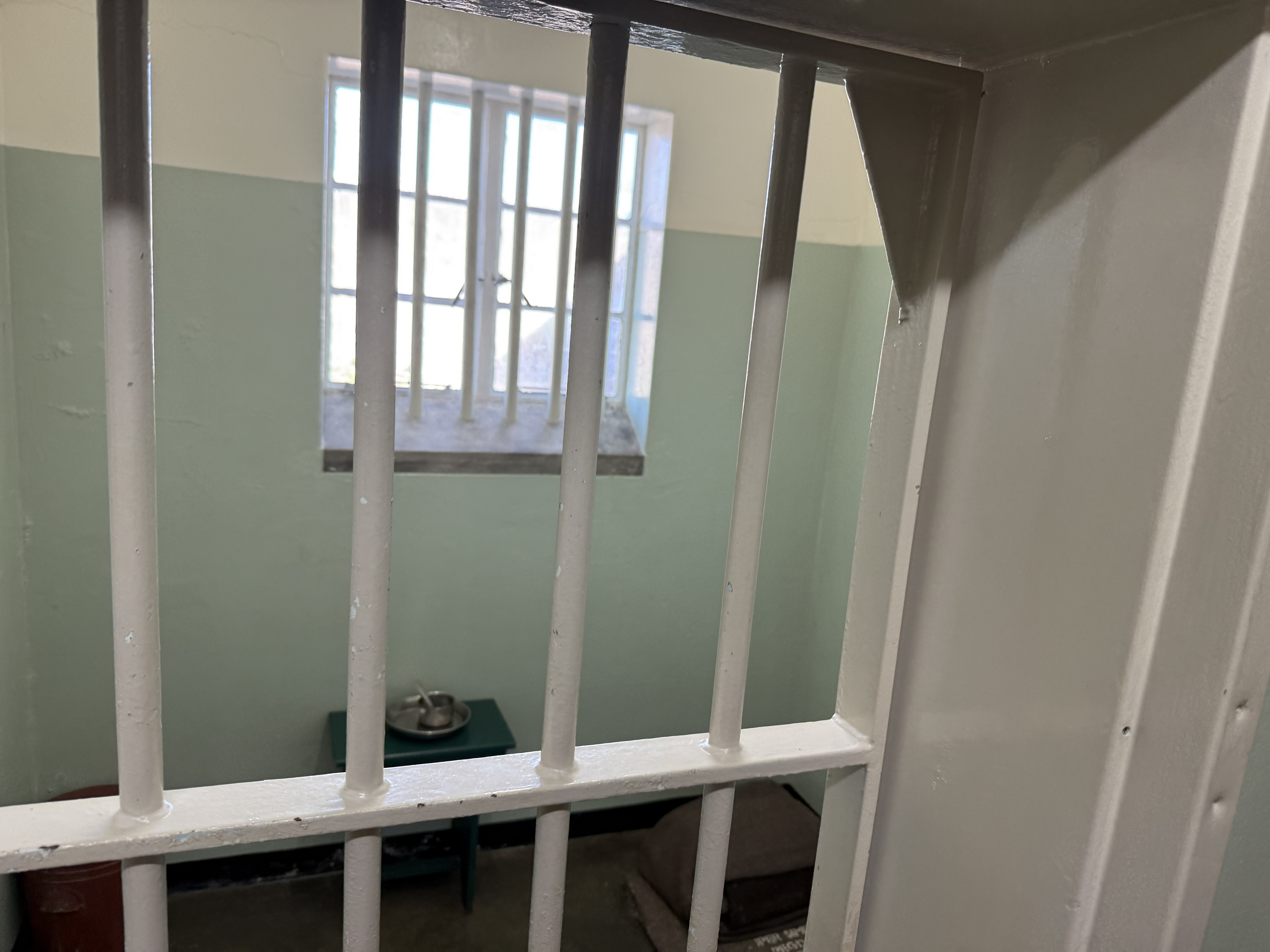
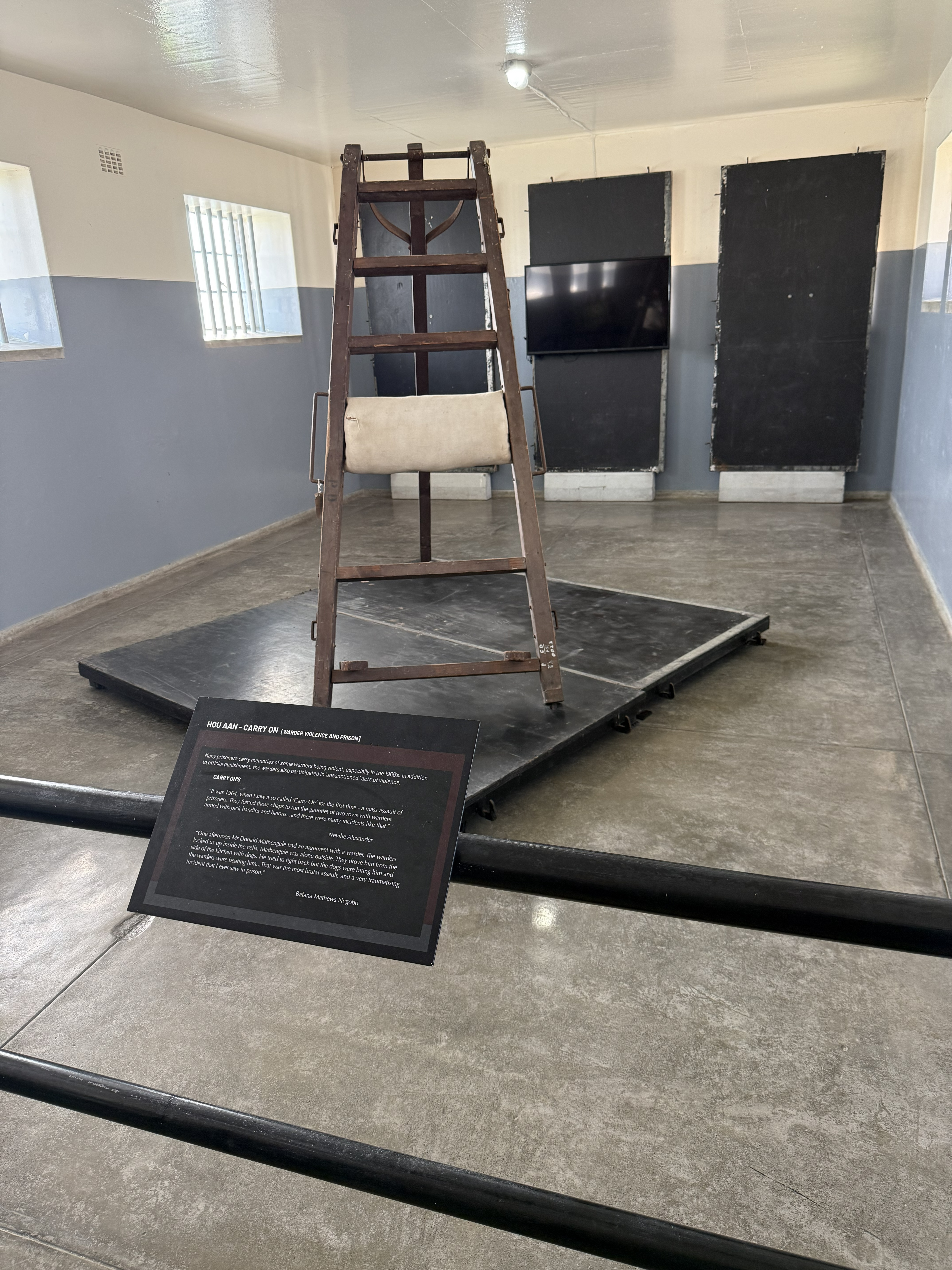
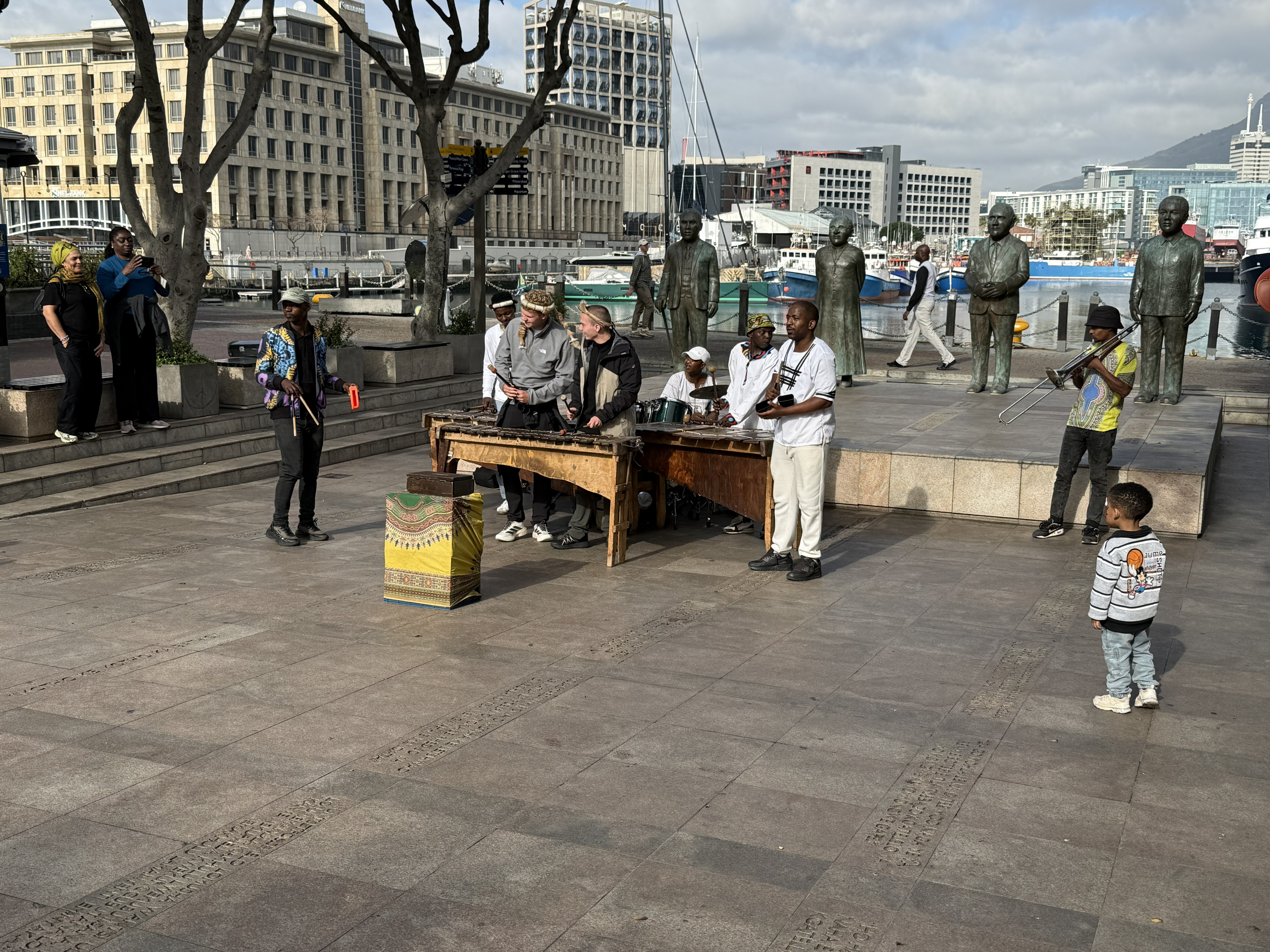
Table Mountain
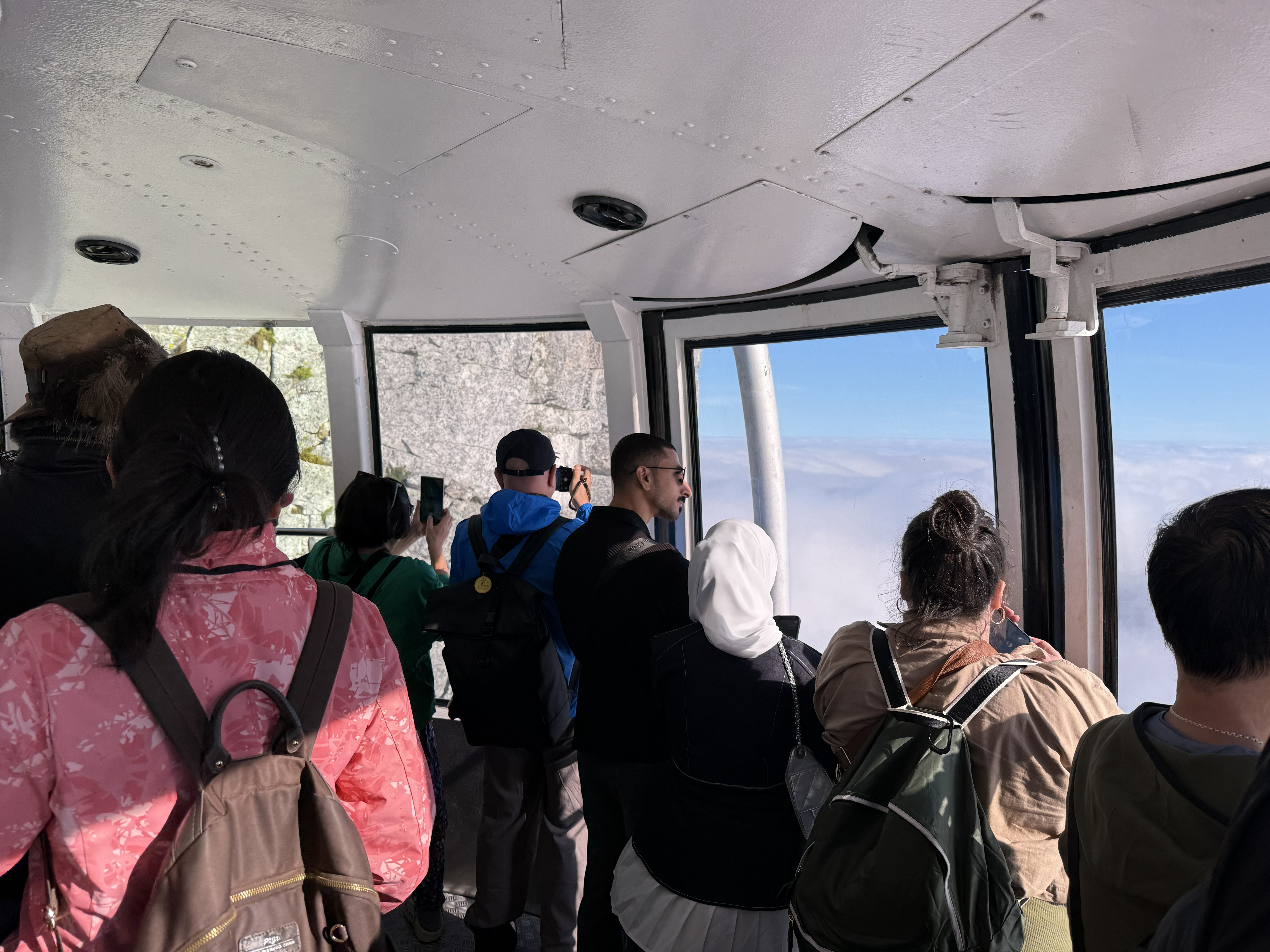
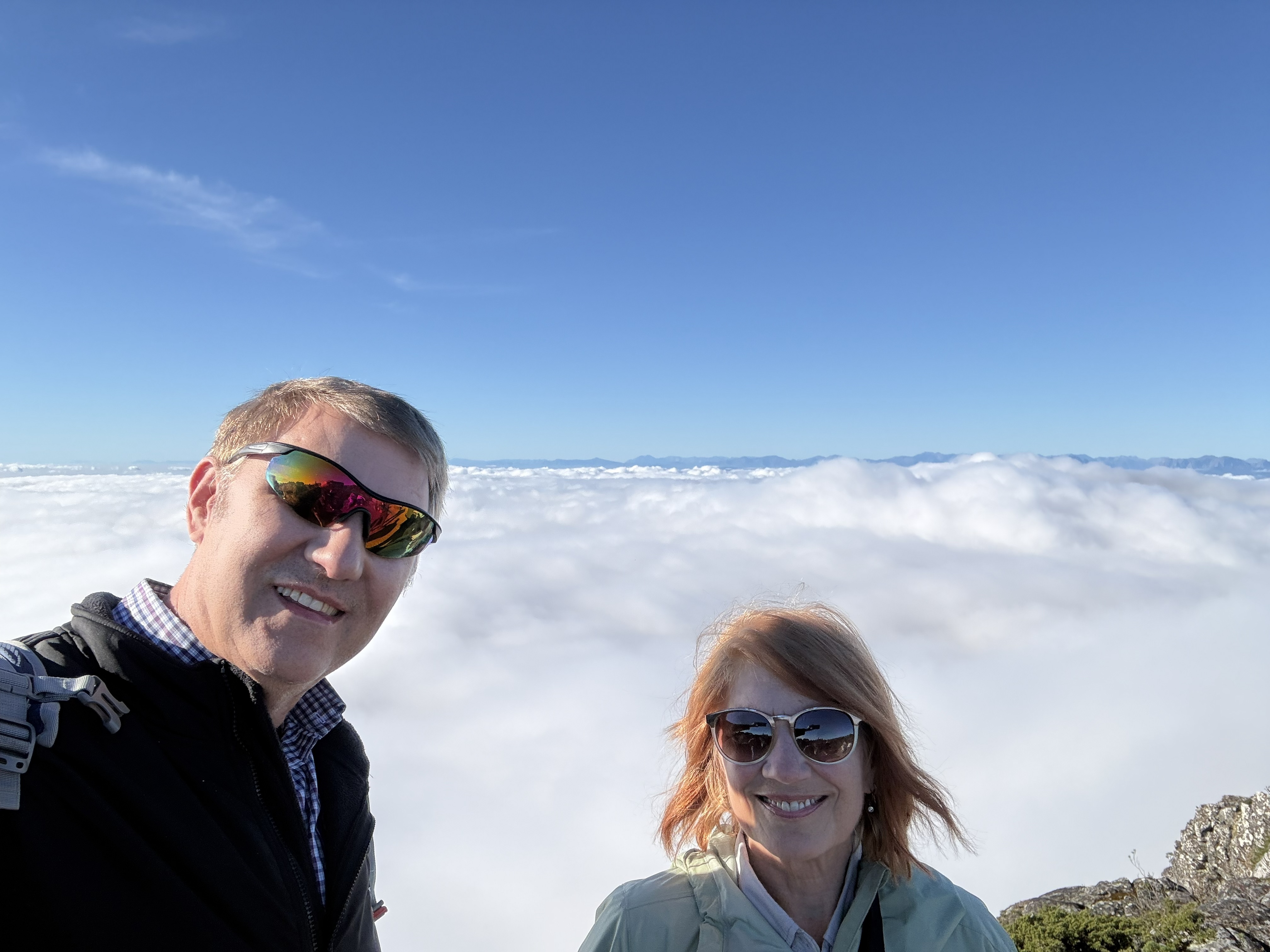
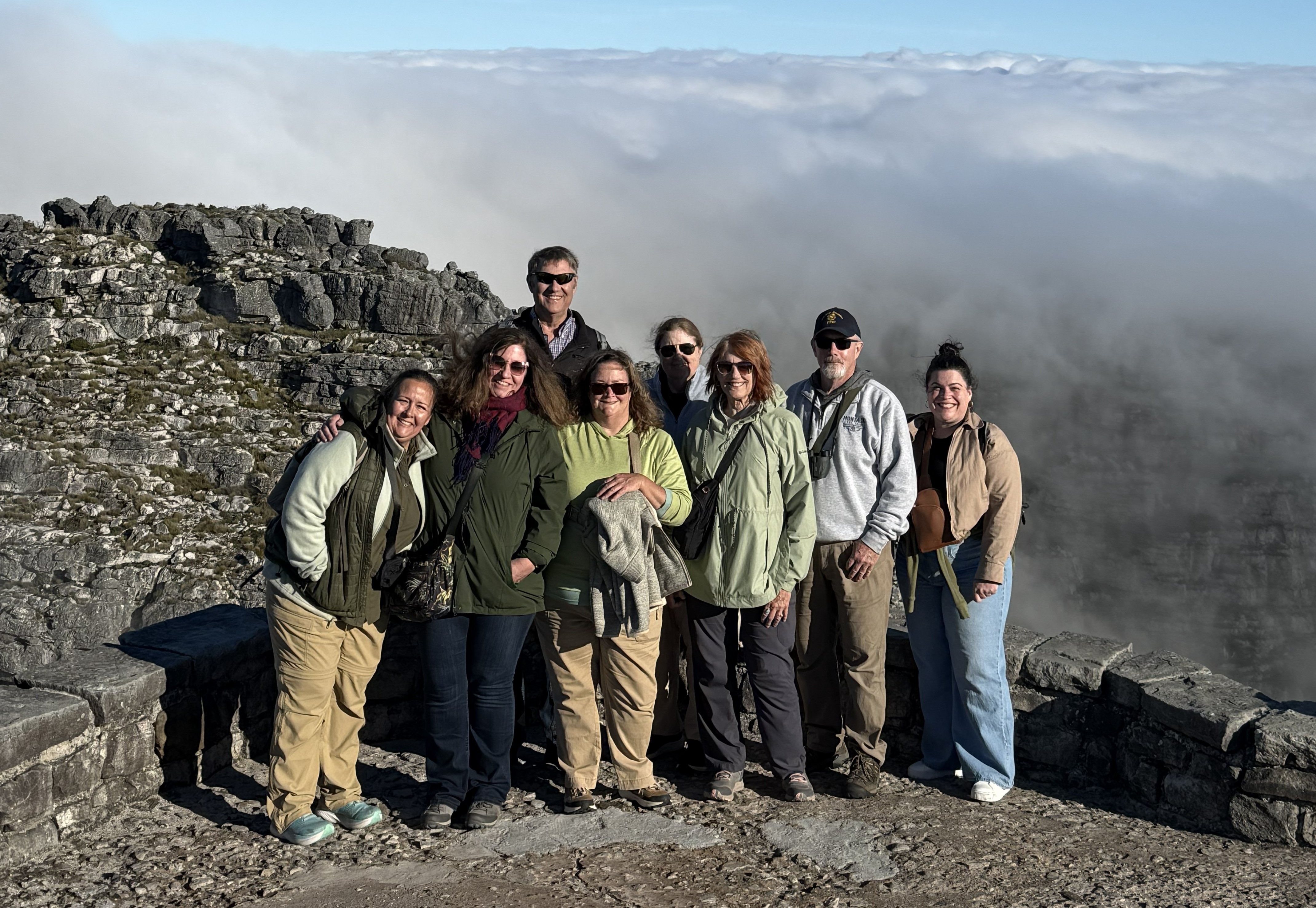
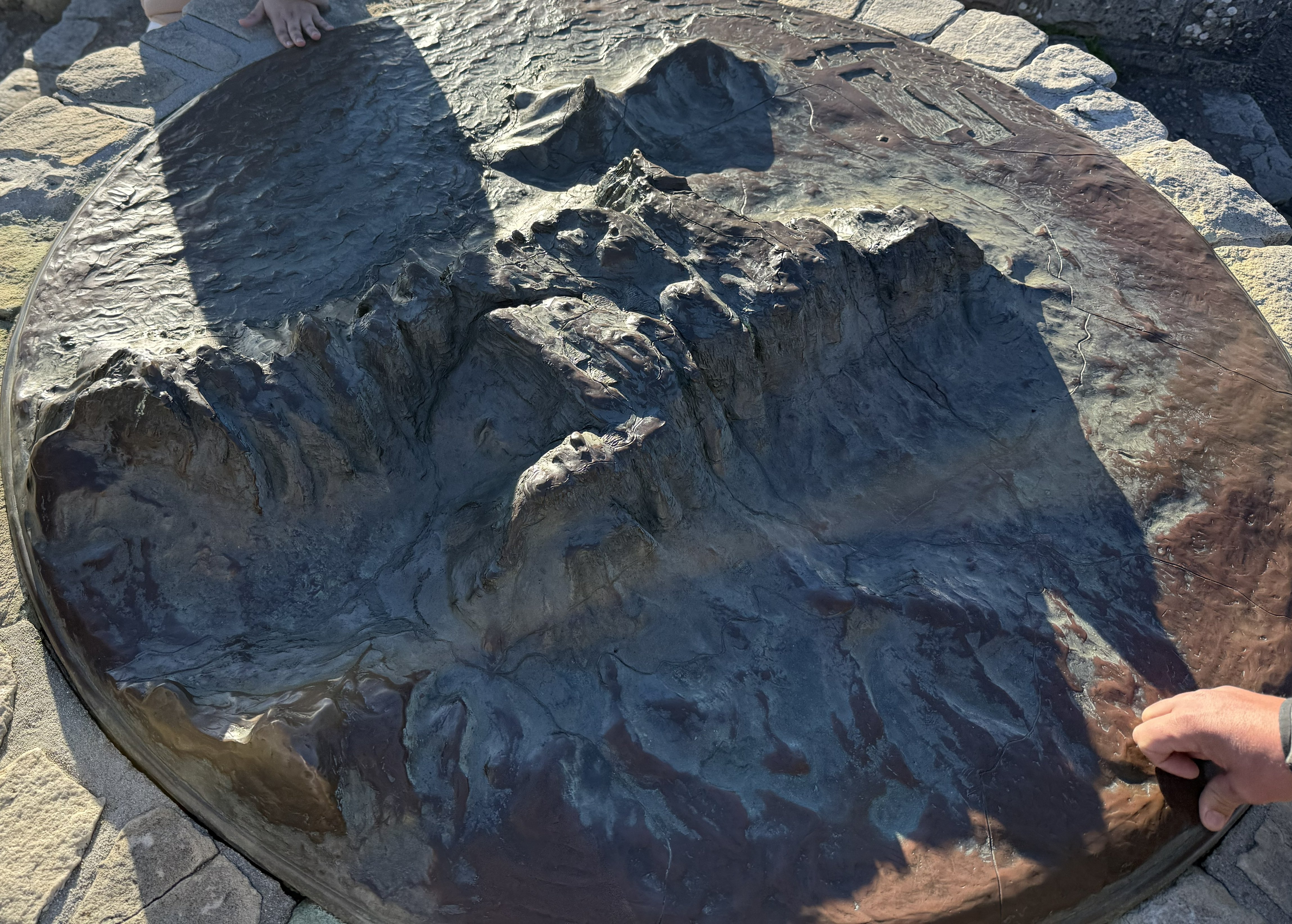
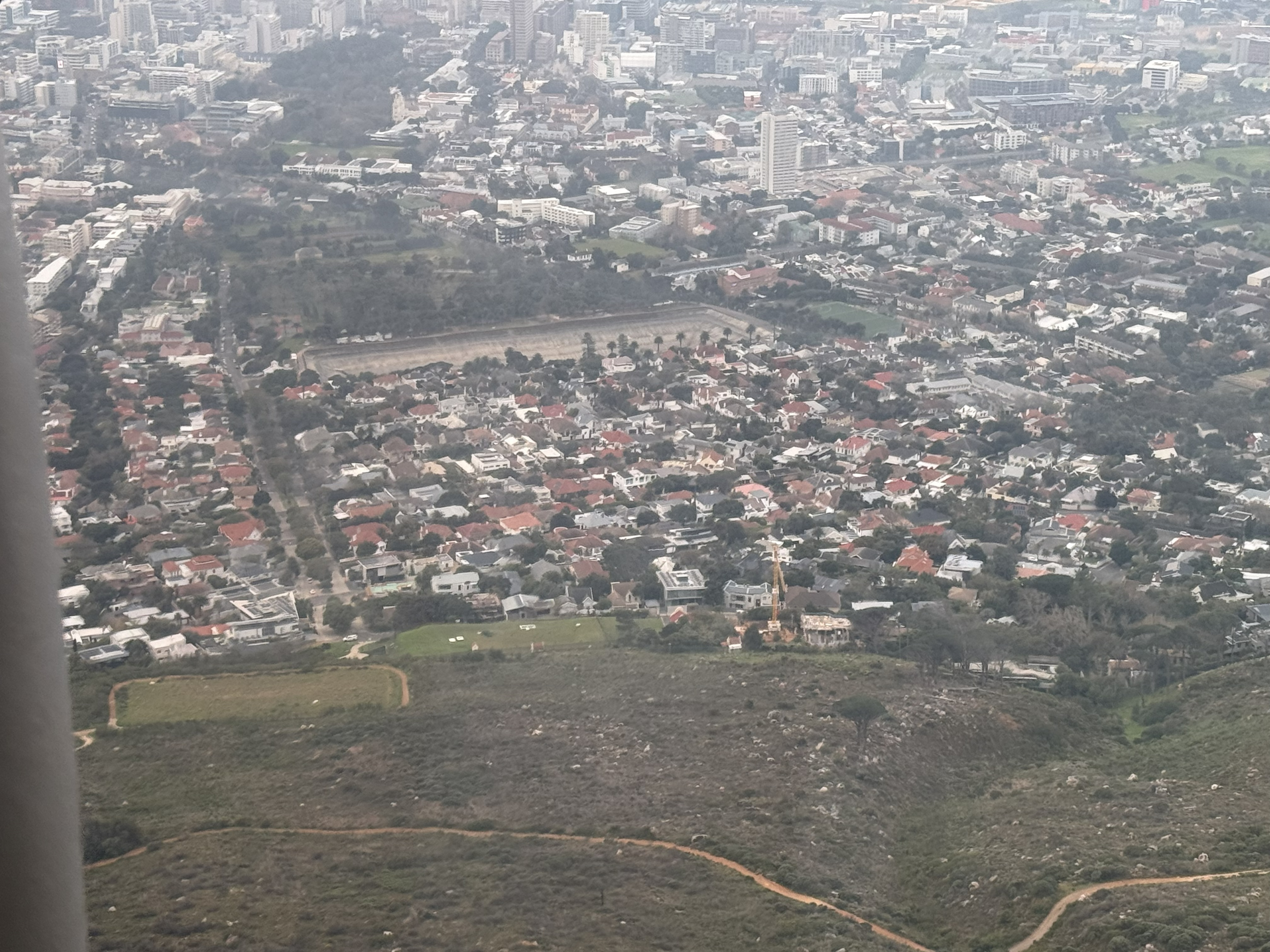
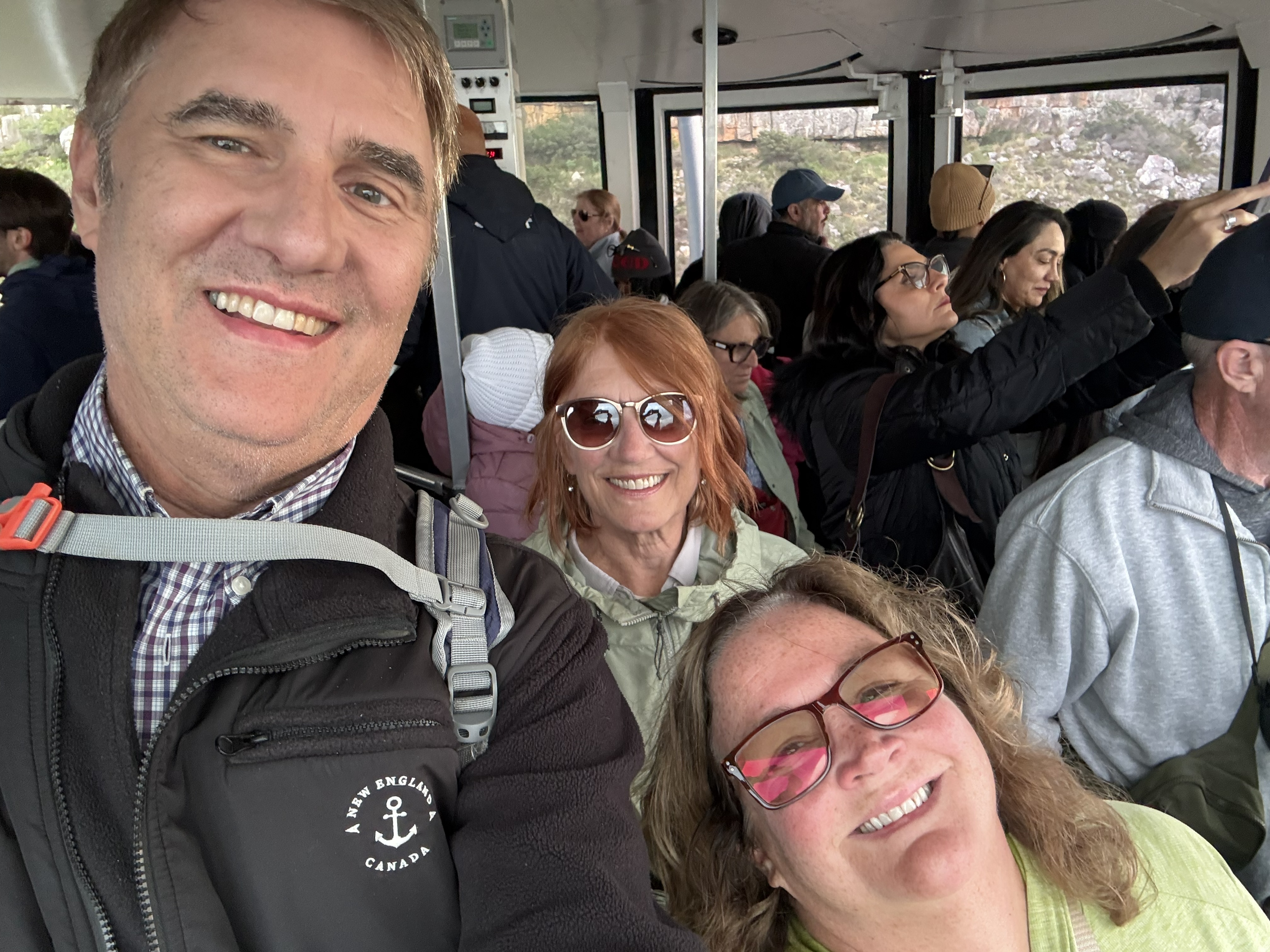
And then, because Cape Town is nothing if not a city of violent contrasts, we went from the prison to the top of the world. Table Mountain rises straight up out of the city, flat as a table by definition, and you ride to the top in a cable car whose floor slowly rotates so that everyone gets the view. The rock up there is old almost past comprehension — some five hundred million years — and on the day we went, the mountain was wearing its famous “tablecloth,” the cloud that pours over the rim and evaporates halfway down.
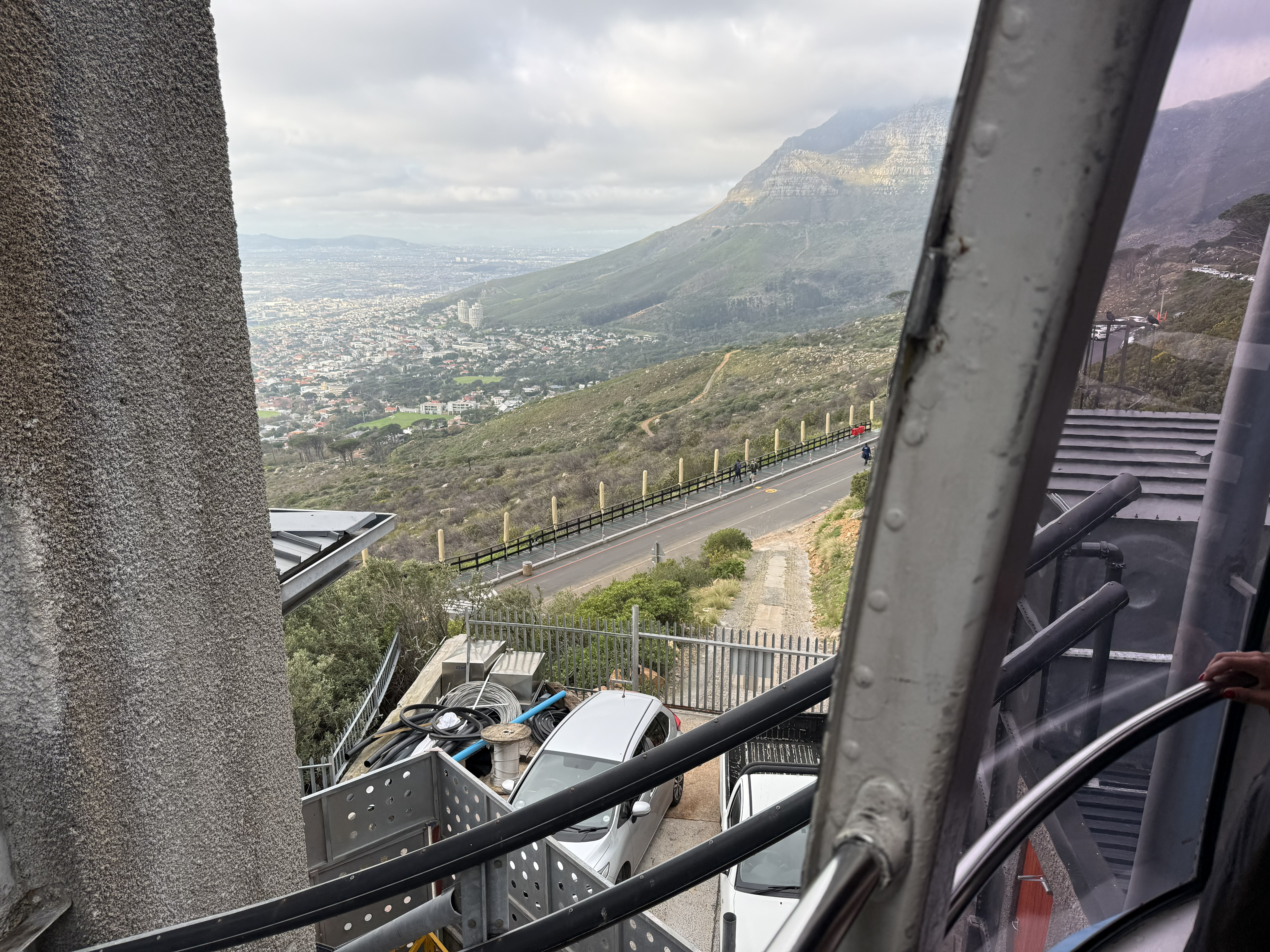
Color, and a Balcony
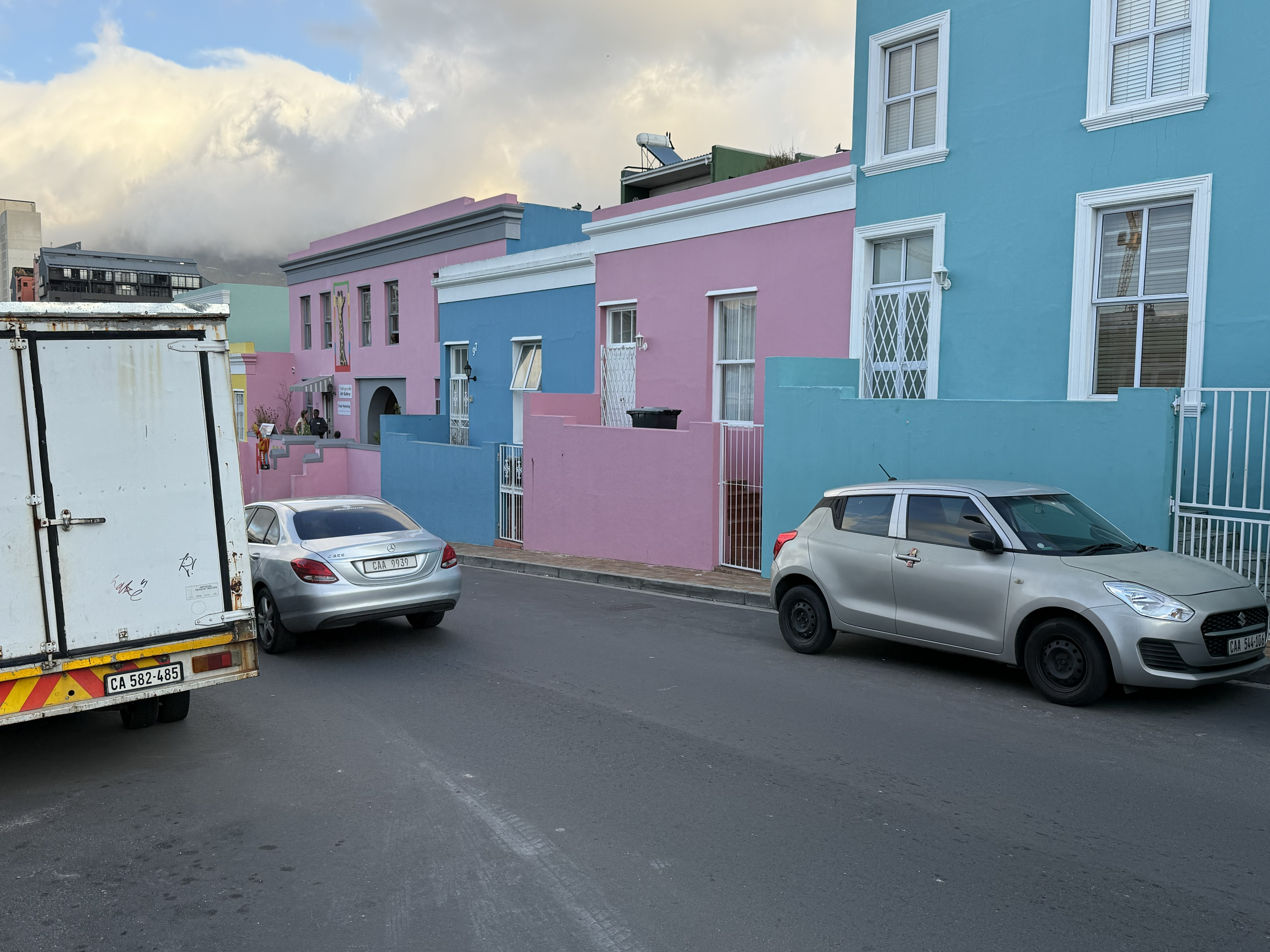
The way back down through the city gave us the last two stops, and between them they closed the day's long historical loop. First Bo-Kaap: the old Cape Malay quarter, its steep cobbled streets lined with houses painted in colors so bright they look invented — pink, lime, turquoise, marigold. We did get out and walk here — but Dylan was careful about how. Guided tour groups are not especially welcome in Bo-Kaap just now, and rather than lead us through in the usual way, out front and visibly in charge, he had us simply amble along together, more like a loose knot of people wandering a street than a tour being conducted through it. The reason was not crime but something more pointed. The neighbourhood has spent years pushing back against the tourism that descends on it — busloads of visitors treating a living community as a photo backdrop while rising prices and gentrification quietly price out the families who have lived here for generations. The residents want the arrangement changed so that the place profits its own people, and a coach disgorging an obvious guided group is exactly the thing they have been protesting. So we looked, quietly and on foot and without making a spectacle of ourselves, and moved on. We also passed the Castle of Good Hope, the squat old star fort by the parade ground that is the oldest surviving colonial building in the country — another layer of the same long story.
Porterhouse
After a day that heavy and that full, there was nothing to do but eat, and eat well.
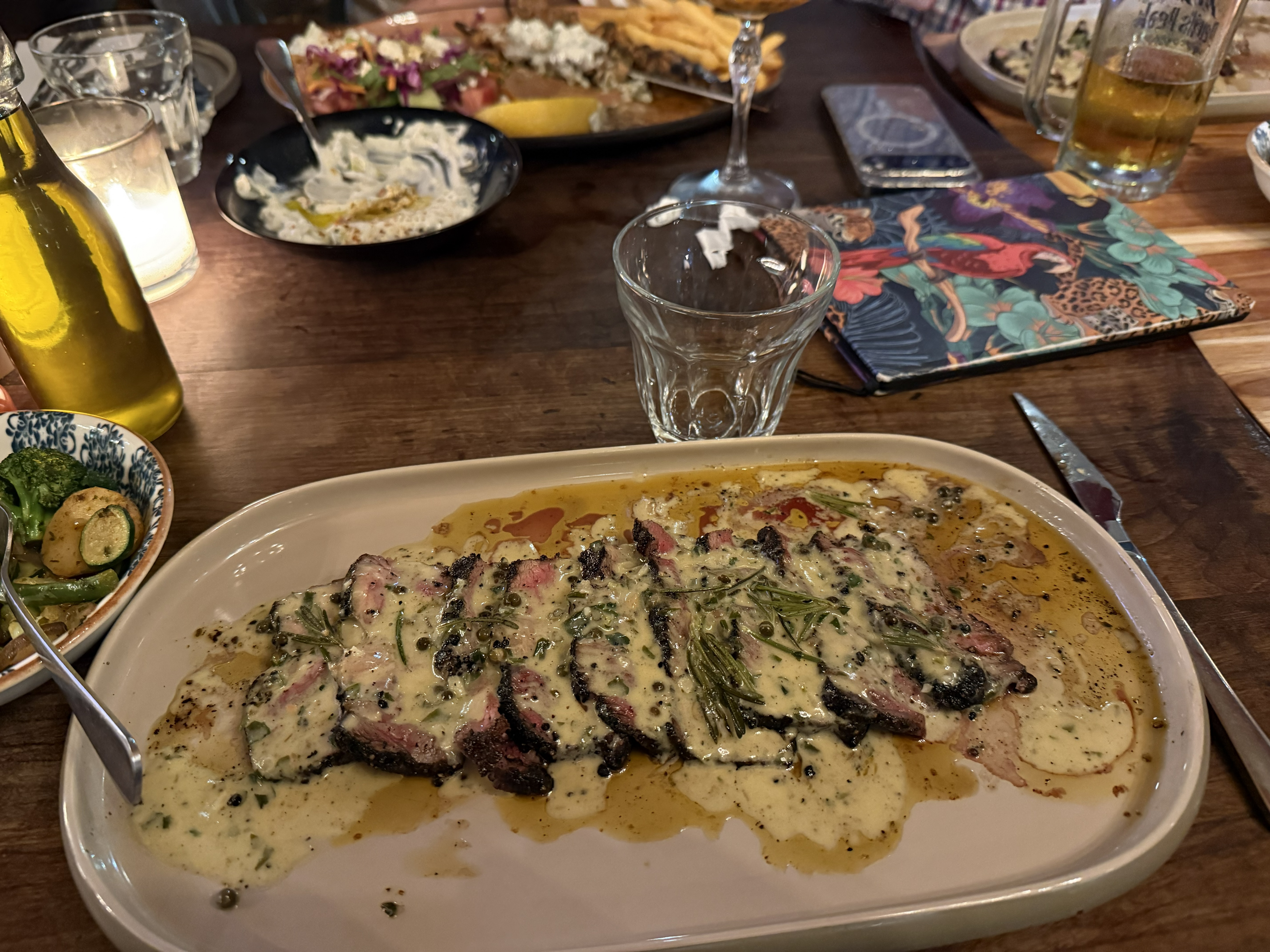
Dylan had been right. There was plenty left to see, and none of it had teeth or hooves. In one day Cape Town had taken us from a five-hundred-million-year-old mountain to a three-hundred-year-old fort to a cell smaller than a bathroom to the balcony where a country changed its mind. It was the opposite of a game drive in every way, and it was, in its own way, every bit as much a part of Africa as the lions had been.